Strategic Application of Vintage Peacock Plume Pattern Design in Modern Branding
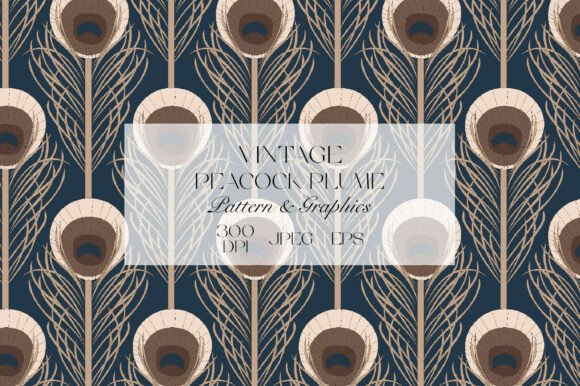
In the crowded landscape of visual marketing and product design, the difference between a commodity and a premium brand often lies in the subtlety of execution. The Vintage Peacock Plume Pattern Design represents more than just an aesthetic choice; it is a strategic asset for businesses and creators aiming to establish authority, elegance, and timeless appeal. This specific motif, characterized by symmetrical feather forms, soft beige tones, and a deep navy background, draws heavily from the refined Art Deco style. When deployed with intention, this pattern does not merely decorate a surface; it communicates a narrative of luxury, stability, and sophisticated taste.
For entrepreneurs, marketers, and designers, understanding how to leverage such a specific visual language is crucial. The decision to integrate a Vintage Peacock Plume Pattern Design into your portfolio or product line should be driven by clear objectives regarding brand positioning and customer perception. It is not enough to simply select a beautiful image; one must understand how the interplay of geometry and organic form influences consumer behavior and enhances the perceived value of a product.
Defining the Aesthetic and Its Strategic Value
At its core, this design language merges the natural elegance of the peacock with the structured precision of the Art Deco movement. The result is a seamless pattern that feels both historic and contemporary. The deep navy background provides a sense of depth and seriousness, often associated with trust and professionalism, while the soft beige tones introduce warmth and accessibility. The symmetrical arrangement of the plumes suggests order and balance, psychological triggers that subconsciously reassure the viewer of quality and reliability.
From a strategic perspective, adopting this Vintage Peacock Plume Pattern Design allows a brand to distance itself from the chaotic, minimalist, or overly trendy aesthetics that saturate many digital marketplaces. It signals a commitment to craftsmanship. For a small business owner selling high-end stationery or a fashion textile entrepreneur, this pattern serves as a visual shorthand for "premium." It tells the customer that attention has been paid to detail, encouraging a higher price point and fostering brand loyalty among discerning buyers who appreciate heritage and refinement.
Optimizing Use Cases Across Industries
The versatility of this pattern lies in its adaptability across various mediums, provided the application aligns with the brand's overall goals. Here is how different sectors can strategically implement this design:
- Fashion Textiles and Apparel: In the fashion industry, fabric choice dictates the silhouette and feel of a garment. Using this pattern on silk scarves, evening wear, or limited-edition linings creates an exclusive feel. The seamless nature of the design ensures that the pattern flows correctly across seams, maintaining the integrity of the Art Deco symmetry. Designers should consider using the EPS files to scale the elements for different garment cuts, ensuring the motif remains crisp regardless of the print size.
- Home Decor and Interior Design: For interior designers, wallpaper and upholstery are powerful tools for setting a room's mood. The deep navy and beige palette is particularly effective in creating accent walls in luxury hotels, boutique lobbies, or high-end residential spaces. It adds texture without overwhelming the space, serving as a sophisticated backdrop that allows furniture and art to stand out.
- Packaging and Stationery: First impressions are critical in retail. Applying this pattern to packaging boxes, gift wrap, or corporate stationery elevates the unboxing experience. It transforms a simple transaction into a memorable event. For publishers and bloggers, using this design on journal covers or planner interiors can attract an audience seeking organization and beauty, reinforcing the idea that the content within is equally curated.
- Surface Pattern Design Projects: Freelance designers can license this artwork for a variety of surface applications, from tech accessories to home goods. The availability of high-resolution JPEG previews (300dpi) and editable EPS files means the design can be adapted for both digital mockups and large-scale industrial printing, offering flexibility in project planning.
Planning and Execution: A Decision-Maker's Guide
Integrating a Vintage Peacock Plume Pattern Design requires more than just downloading a file; it demands a thoughtful approach to implementation. Before committing to this aesthetic, decision-makers should evaluate their current brand identity. Does the sophistication of Art Deco align with your target demographic? If your brand aims to appeal to a youthful, streetwear-oriented audience, this pattern might create a disconnect. However, for audiences aged 20–50 who value quality, history, and elegance, it is a potent tool.
When planning your rollout, consider the medium. The technical specifications matter immensely. The inclusion of EPS files with elements is a significant advantage for professionals. Unlike flat raster images, vector-based EPS files allow you to isolate specific feather forms, recolor them to match your exact brand guidelines, or rearrange the symmetry to fit unique dimensions. This level of control is essential for maintaining consistency across different touchpoints, from a business card to a billboard.
Furthermore, color management is critical. While the default soft beige and deep navy offer a classic look, you may need to adjust these hues to ensure they reproduce accurately on different materials. A color that looks rich on a screen may appear muted on matte paper or vibrant on glossy plastic. Always request physical proofs or utilize the high-resolution 300dpi JPEG previews to test how the pattern renders in real-world lighting conditions before mass production.
Risks of Contextless Implementation
While the aesthetic appeal of the Vintage Peacock Plume Pattern Design is undeniable, using it without a clear strategic framework can lead to diminishing returns. One common pitfall is overuse. Applying such a detailed and bold pattern to every aspect of a brand's presence can result in visual fatigue, making the brand feel dated rather than timeless. It is essential to use the pattern as an accent or a signature element rather than a blanket solution.
Another risk involves misalignment with brand values. If a company promotes ultra-modern, disruptive technology but wraps its products in traditional Art Deco motifs, it may confuse the consumer. The visual language must support the verbal message. Additionally, relying on pre-made patterns without customization can lead to a lack of distinctiveness. If competitors adopt similar vintage styles, your brand may lose its unique edge. This is why accessing the source elements in the EPS file is vital; it allows for modification that ensures your iteration of the peacock plume is uniquely yours.
Long-Term Value and Brand Longevity
Trends in design are cyclical, but certain principles of beauty remain constant. The Art Deco style, with its emphasis on geometry and luxury, has enjoyed resurgence after resurgence because it speaks to a universal desire for order and opulence. By investing in a Vintage Peacock Plume Pattern Design, you are choosing an asset with long-term viability. Unlike fleeting trends that expire within a season, this style offers a foundation upon which a brand can build for years.
For educators and content creators, utilizing such high-quality visuals enhances the perceived value of educational materials. A well-designed workbook or presentation deck featuring this pattern commands more respect and engagement from students and clients. It demonstrates a level of professionalism that suggests the content itself is thorough and well-researched.
Ultimately, the goal is to make better decisions that yield better results. Whether you are a freelancer looking to expand your portfolio with sophisticated offerings or a business owner rebranding to capture a luxury market, the intentional use of this pattern can be a catalyst for growth. It bridges the gap between artistic expression and commercial viability.
Moving Forward with Intention
To maximize the potential of this design, treat it as a partnership between the artist's vision and your strategic goals. Explore the possibilities offered by the seamless nature of the repeat. Experiment with scaling the pattern up for dramatic impact or down for subtle texture. Use the deep navy to anchor your design and the beige to highlight key information or calls to action.
As you continue to develop your projects, remember that consistency is key. Once you establish this visual identity, maintain it across all channels to build recognition. Follow the evolution of design trends, but stay true to the core elements that make the Vintage Peacock Plume Pattern Design effective for your specific context. By doing so, you ensure that your work remains relevant, impactful, and beautifully distinct in a competitive marketplace.
For those ready to elevate their creative projects, exploring further collections of seamless patterns and illustrations can provide additional resources to complement this aesthetic. Regularly updating your design library with high-quality, versatile assets ensures that you are always prepared to meet the changing demands of your clients and customers with confidence and style.